


 Seller Dashboard
 Logout
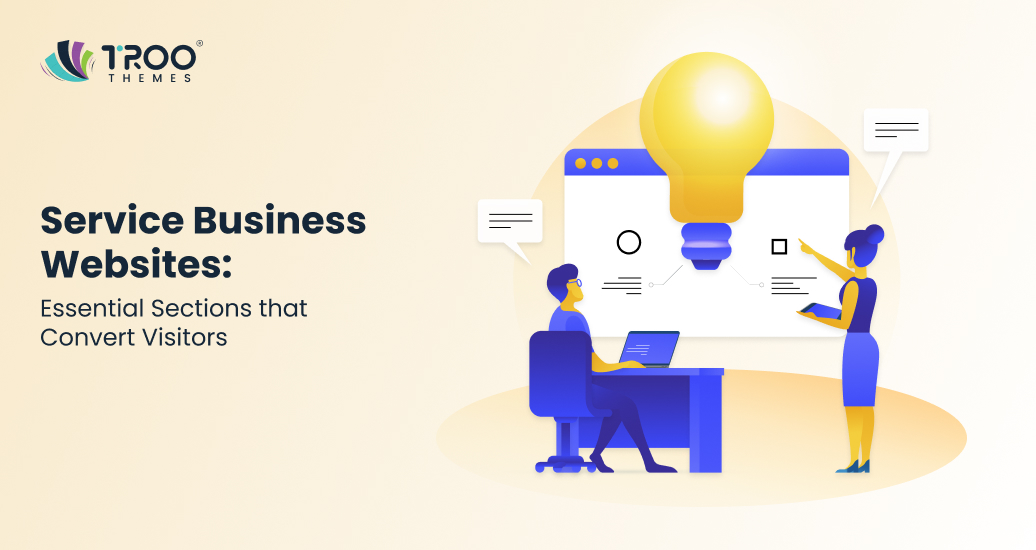
For many service businesses, a website acts as the primary entry point for potential clients. People search online to evaluate providers, compare options, and decide who to contact. However, many business websites receive traffic but generate very few inquiries.
This gap usually comes down to website conversion optimization. A site may look attractive but still fail to guide visitors toward taking action. When a website lacks clear structure, messaging, and calls to action, visitors often leave without contacting the business.
Website conversion rate optimization focuses on improving the percentage of visitors who complete a desired action, such as requesting a quote, scheduling a consultation, or filling out a contact form. Even small improvements in structure and messaging can significantly increase the number of leads a service business receives.
For theme and template buyers, understanding these principles helps evaluate whether a design will support business goals. For theme creators and developers, applying conversion-focused thinking helps produce products that perform well for real businesses.
Themes for Service Business Websites
Browse professionally designed website themes created for service businesses that need clear structure and conversion-focused layouts.
The Role of Website Structure in a High-Converting Website
Visitors rarely arrive on website ready to make an immediate decision. Most follow a simple journey:
- Identify whether the business offers the service they need
- Evaluate credibility and experience
- Review examples or testimonials
- Decide whether to contact the business
A strong service business website design supports this process by presenting information in the order visitors expect.
If key details are missing or difficult to find, users leave and continue their search elsewhere.
How Website Layout for Business Impacts User Experience and Conversions
The layout of a website influences how quickly visitors understand what a business offers. Clear navigation, readable headings, and organized sections make it easier for users to find relevant information.
A high-converting website typically follows a predictable structure. Visitors should quickly understand:
- What the business does
- Who the service is for
- Why is it a good choice
- How to take the next step
When these questions are answered early, the likelihood of converting website visitors into leads increases.
The Relationship Between Service Website Design and Lead Generation
For service companies, the primary goal of a website is usually lead generation. This could include phone calls, form submissions, appointment bookings, or quote requests.
Design elements such as navigation structure, page layout, and content hierarchy all contribute to this goal. Effective website conversion rate optimization ensures that the design supports these outcomes rather than distracting from them.
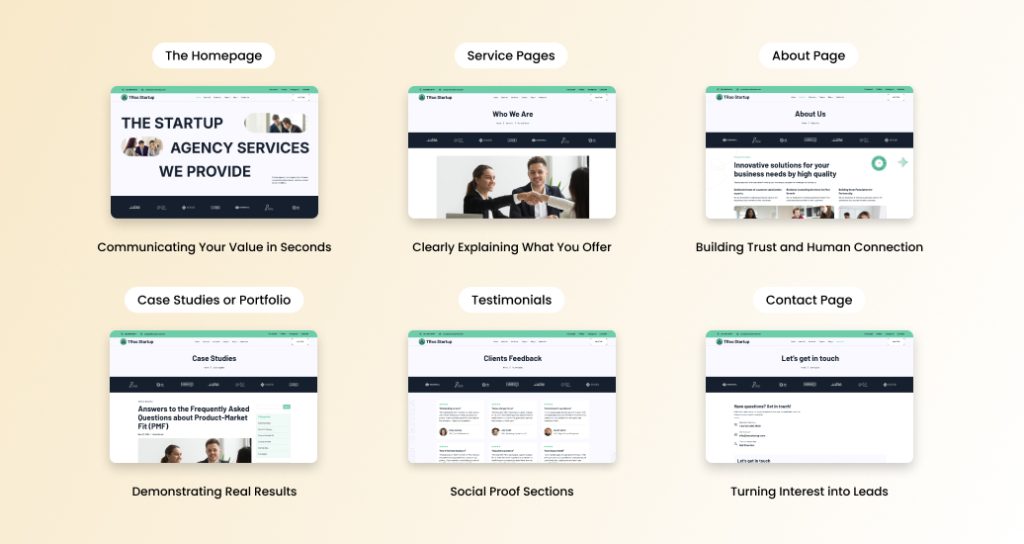
Essential Website Sections Every Service Business Website Needs
The Homepage: Communicating Your Value in Seconds
The homepage often provides the first impression of a business. Within a few seconds, visitors decide whether the site is relevant to their needs.
An effective homepage should include:
- A clear headline explaining the main service
- A brief description of who the service helps
- A visible call to action
- Quick navigation to important pages
The goal is clarity rather than complexity. Visitors should immediately understand what the company offers.
Service Pages: Clearly Explaining What You Offer
Detailed service pages are essential for both users and search engines. Each major service should have its own page that explains:
- What the service includes
- Who it is designed for
- The benefits to the client
- The process or timeline
This structure improves search visibility while also helping visitors evaluate whether the service fits their needs.
For theme buyers and developers, well-designed service page templates are critical components of a professional services website.
About Page: Building Trust and Human Connection
The About page helps visitors understand the people behind the business. It should focus on credibility and experience rather than long company histories.
Effective About pages typically include:
- Professional background or expertise
- Company values or approach
- Team introductions
- Relevant certifications or experience
Service businesses rely heavily on trust, so this section often influences whether visitors choose to make contact.
Case Studies or Portfolio: Demonstrating Real Results
Many visitors want proof that a service provider can deliver results. Case studies and portfolio sections help address this need.
Examples may include:
- Before and after project examples
- Detailed project summaries
- measurable results or outcomes
- visual examples of completed work
This content shows potential clients what they can expect when working with the business.
Testimonials and Social Proof Sections
Testimonials provide reassurance to new visitors who are evaluating a service provider.
Displaying real feedback from past clients can help reduce uncertainty and increase confidence. Testimonials are often most effective when placed near calls to action or service descriptions.
For theme creators, dedicated testimonial sections are often important components of service business website design.
Contact Page: Turning Interest into Leads
The contact page is where visitors decide to take action. It should remove as much friction as possible.
Key elements include:
- A short and simple contact form
- Phone number and email address
- Physical address, if applicable
- alternative options, such as scheduling tools or live chat
Reducing the number of required form fields can increase the likelihood of form submissions.
Conversion-Focused Sections That Increase Leads
Strong Call to Action Sections That Encourage Visitors to Take Action
Calls to action guide visitors toward the next step. Without them, even interested visitors may leave without contacting the business.
Effective calls to action are:
- Clear and specific
- visible across multiple sections of the page
- focused on one primary action
Examples include scheduling a consultation, requesting a quote, or contacting the team.
FAQ Sections That Remove Buyer Objections
Potential clients often have similar questions before contacting a service provider.
An FAQ section helps address common concerns such as pricing structure, project timelines, or service availability. By answering these questions in advance, businesses reduce hesitation and help visitors move closer to contacting the company.
Process or “How It Works” Sections That Build Confidence
Many clients want to understand how a service engagement works before they commit.
A simple step-by-step explanation of the process can improve clarity and reduce uncertainty.
Typical process sections include stages such as:
- Initial consultation
- Project planning
- Implementation
- Ongoing support or delivery
This information helps visitors understand what working with the business will involve.
Trust Signals: Certifications, Awards, and Client Logos
Trust signals reinforce credibility. These may include industry certifications, awards, memberships, or recognizable client logos.
For professional services websites, trust signals are particularly important because visitors often evaluate several providers before choosing one.
Need a Professional Service Website Theme?
Explore structured website themes designed to help service businesses present services clearly and convert visitors into leads.
Website Conversion Rate Optimization Elements That Boost Performance
Clear Value Propositions That Capture Attention Immediately
Visitors should quickly understand what makes a business different from competitors.
A strong value proposition communicates the main benefit of the service in a clear and concise statement. This message typically appears in the hero section of the homepage and key landing pages.
Strategic CTA Placement Across the Website
Calls to action should appear in multiple locations across the website.
Common placement areas include:
- the top section of the homepage
- after service descriptions
- within case studies
- at the end of key pages
This ensures visitors can easily take action whenever they are ready.
Simplified Navigation for Better Website Sections Flow
Complicated navigation structures often reduce conversions. Visitors should be able to locate important information quickly.
Effective navigation typically includes:
- a limited number of menu items
- clear labels for services
- logical page grouping
A simple navigation structure helps guide visitors through the business website structure efficiently.
Mobile Optimization for Modern Service Websites
Many users now browse websites on mobile devices. A site that does not function properly on smaller screens can lose a large portion of potential leads.
Responsive layouts, readable text, and accessible buttons are essential elements of modern service website design.
Page Speed and Performance Optimization
Slow-loading pages frustrate visitors and often lead to high bounce rates.
Optimizing image sizes, minimizing scripts, and using efficient hosting can improve loading times and keep visitors engaged.
Business Website Design Tips for Creating a High-Converting Website
Design With Benefits, Not Just Features
Visitors care more about the results a service provides than the technical details of how it works.
Content should clearly explain how the service helps clients solve problems or achieve goals.
Use Visual Hierarchy to Guide Visitors Through Your Website
Visual hierarchy helps users scan content quickly.
This includes:
- clear headings and subheadings
- consistent typography
- strategic use of spacing
These design choices guide visitors toward the most important sections of the page.
Create Service-Specific Landing Pages for Better Conversions
Service-specific landing pages allow businesses to target particular audiences or search queries.
For example, a marketing agency may create separate pages for web design, SEO services, and content marketing.
This approach improves both search visibility and conversion rates.
Use Internal Linking to Guide Users Through Your Business Website Structure
Internal links help visitors explore additional content and learn more about the business.
For example, a service page can link to relevant case studies, testimonials, or FAQs. This keeps visitors engaged and encourages them to continue exploring the website.
Common Mistakes That Prevent Service Websites From Converting
Overcrowded Website Layout for Business
Too many design elements, animations, or competing messages can distract visitors from the primary goal of the page.
A focused layout that highlights key information often performs better.
Weak or Missing Calls to Action
Many service websites fail to clearly tell visitors what to do next.
If calls to action are unclear or difficult to find, visitors may leave without contacting the business.
Lack of Trust Signals and Social Proof
Visitors want reassurance before working with a new provider.
Without testimonials, case studies, or certifications, it becomes harder for potential clients to feel confident about choosing the business.
Confusing Navigation and Poor Website Structure
If visitors cannot quickly find information about services or pricing, they are likely to leave the site.
A clear website layout for a business helps guide visitors through the decision process.
How Professional Service Business Website Design Improves Conversions
Why Professional Services Websites Need Strategic Design
Service businesses depend on credibility and trust. Professional design helps communicate reliability and competence.
Well-designed themes and templates provide the foundation for an organized, user-friendly website.
The Value of Conversion-Focused Design and Development
Design decisions should support business goals rather than focusing only on visual appearance.
Conversion-focused design prioritizes:
- clear messaging
- logical page structure
- strong calls to action
- easy navigation
These elements contribute to better lead generation performance.
How Expert Designers Build High-Converting Websites
Experienced designers and developers often rely on proven patterns that guide visitors through a logical decision process.
Theme creators and marketplace vendors who apply these principles can create products that appeal to business owners looking for effective website solutions.
Conclusion: Building a Service Business Website That Converts Visitors into Clients
Key Website Sections Every High-Converting Website Needs
A successful service business website typically includes several essential sections:
- a clear homepage message
- detailed service pages
- a credible About page
- testimonials and case studies
- a simple contact page
- strong calls to action
Together, these sections create a structure that supports both user experience and lead generation.
How Website Conversion Optimization Drives Business Growth
Improving website conversion optimization allows businesses to generate more leads without increasing traffic.
By refining page structure, messaging, and calls to action, service companies can turn existing visitors into potential clients more consistently.
Next Steps for Improving Your Service Business Website Design
Business owners, agencies, and developers should regularly review their business website structure to ensure it supports conversion goals.
Whether building a custom website or selecting a theme, focusing on usability, clear messaging, and logical structure will help create a high-converting website that supports long-term growth.