


 Seller Dashboard
 Logout
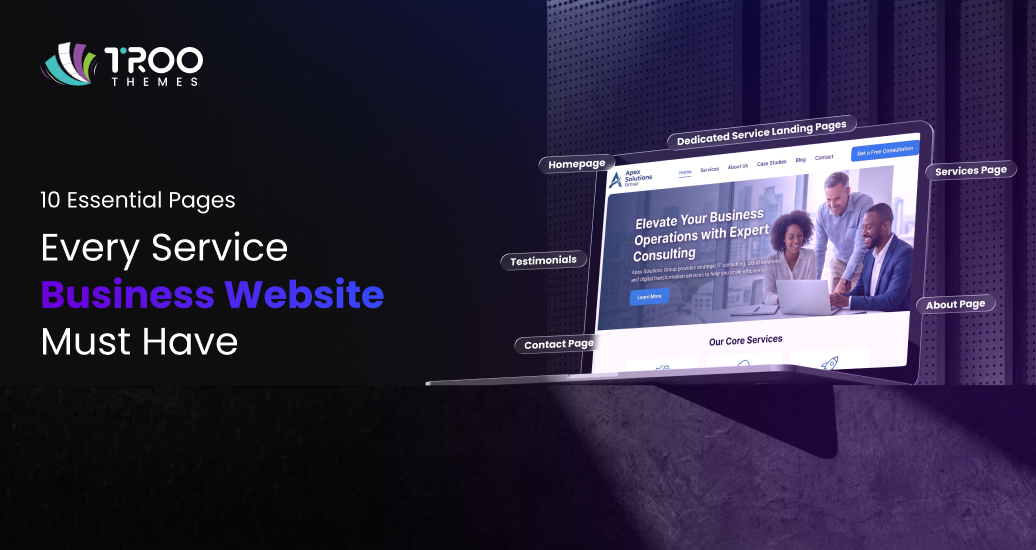
A service business website is more than an online presence. It is like a virtual front door, a credibility builder, and frequently, the initial point of contact customers have with a company. Visitors to websites, whether for finding a consultant or an agency, a contractor or a healthcare provider or a local professional, want to experience a website that allows them to get a clear understanding of the services they are looking for in a matter of seconds and that empowers them to take action with confidence.
In the case of a service-based business, success can hinge on having the proper website architecture. Good small business website design is not just about appearance, it’s also about structure, functionality, and credibility. Strategically planning website content structure enables users to navigate information with ease and assists search visibility and conversions.
Site owners, agencies and even theme builders can use this knowledge to make their sites even more usable and more profitable in the long haul.
Build Better Service Websites
Explore website themes designed for service businesses and better usability.
1. Homepage: The Foundation of Company Website Design
The homepage is often the first impression users have of a business. It introduces services, establishes credibility, and guides visitors toward the next step.
Strong company website design begins with a homepage that answers a few essential questions quickly:
- What are the services the company provides?
- Who is the business helping?
- Why should customers trust them?
- What should the visitors do next?
The good homepage also facilitates website navigation design to move the visitors in a natural movement toward service pages, contact forms, supporting resources, etc.
Many successful business website examples share one common pattern. They have kept their home page simple, clear and directed: helping visitors understand the value without being overwhelmed with too much information.
Homepage flexibility is crucial for theme sellers and WordPress professionals. Consumers are more and more searching for templates that can be customized without any hassle.
2. About Page: Building Trust Through Brand Story and Credibility
The About page is often underestimated in professional website design, yet it is one of the most visited sections on service business websites.
Customers want to understand who they are working with. They often compare experience, values, expertise, and credibility before making decisions.
Instead of writing a long company history, businesses should focus on information that improves confidence:
- What the company does
- Who the business serves
- Relevant expertise or certifications
- Business values or approach
- A simple story that explains the experience
For agencies and developers working on service website design, the About page provides an opportunity to balance storytelling with trust-building.
Good website layout design helps this section feel structured and easy to scan rather than text-heavy.
Design Websites With Clarity
Discover templates designed for better navigation, content flow, and usability.
3. Services Page: Structuring Offers for Better Clarity
One of the most important elements of a strong website content structure is a clear services page.
Visitors should never feel confused about what a company offers. Service descriptions need to explain outcomes, processes, and relevance in language that customers understand.
A strong services page generally includes:
- A clear explanation of each service
- Who the service is for
- Problems it helps solve
- Supporting proof or examples
- Calls to action
One of the most common errors that companies make is creating a large page. Many times, a dedicated section of services will enhance usability and SEO optimization.
For template creators and marketplace vendors, layouts that support flexible service sections often appeal to a wider audience.
4. Dedicated Service Landing Pages: When a Business Landing Page Matters
As service businesses grow, individual service pages become increasingly valuable.
A dedicated business landing page helps focus visitor attention on a specific service or customer need. Instead of sending users to a general services page, businesses can create targeted experiences with relevant content.
For example, a digital agency offering SEO, paid advertising, and web development may benefit from separate pages for each service.
This approach strengthens website structure while improving keyword targeting and customer clarity.
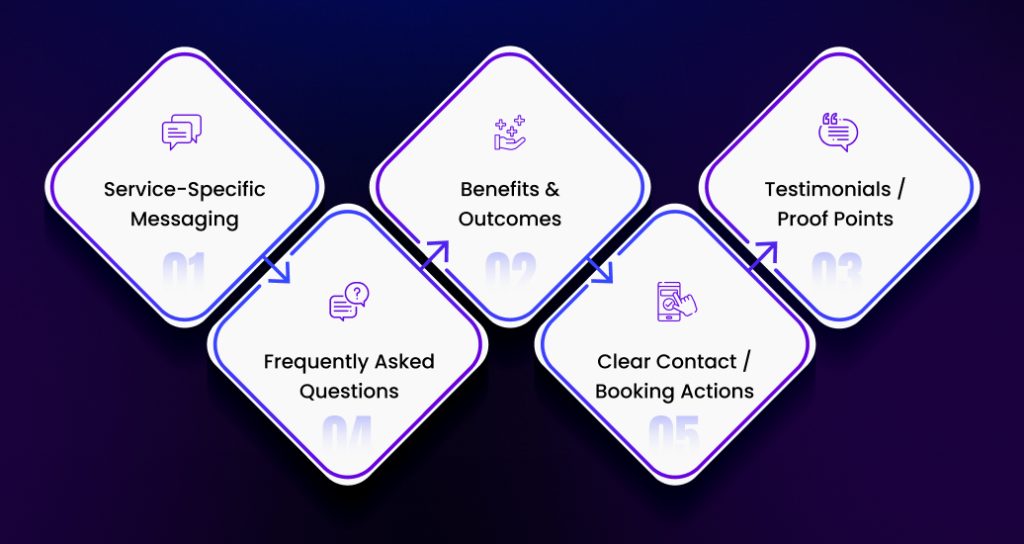
Effective service landing pages often include:
- Service-specific messaging
- Benefits and expected outcomes
- Testimonials or proof points
- Frequently asked questions
- Clear contact or booking actions
Many strong website design ideas prioritize focused pages because visitors often arrive through search rather than the homepage.
5. Portfolio, Case Studies, or Results Page: Showing Real Work
Trust becomes easier when businesses show evidence.
A portfolio or case study section can be informative for visitors to many service industries and provide an idea of the quality of work and its results.
This page can include completed projects, before-and-after examples, customer outcomes, screenshots, or short success stories.
Businesses without visual work can still benefit by presenting measurable results, customer stories, or problem-solving examples.
Strong business website examples often include real evidence rather than broad claims.
For agencies, developers, and theme sellers, layouts that support project showcases, testimonials, or flexible galleries tend to improve buyer interest because they support many industries.
6. Testimonials and Reviews Page: Adding Social Proof That Matters
Trust signals matter in professional website design, especially for service businesses.
While testimonials may appear across multiple pages, creating a dedicated reviews page helps reinforce confidence.
This section can include:
- Written testimonials
- Video reviews
- Ratings or customer feedback
- Industry recognition
- Success metrics
Visitors often compare businesses before making decisions. Positive customer experiences can reduce hesitation and support conversions.
For website design ideas, social proof sections remain one of the most practical additions because they improve credibility without increasing complexity.
7. Blog or Resources Page: Supporting SEO and Customer Education
A blog is not only for publishing content. It also supports visibility, education, and long-term growth.
For small business website design, educational content helps businesses answer customer questions while building authority in search.
A blog or resources section can help explain services, industry updates, common challenges, or frequently asked questions.
For example, businesses may publish:
- Service guides
- Industry trends
- How-to content
- Frequently asked questions in article form
- Customer education resources
For theme creators and WordPress professionals, layouts that support readable content and clean formatting often improve usability.
A strong blog also supports better internal linking and a stronger website navigation design.
8. Contact Page: Simplifying Customer Action
Many businesses accidentally overcomplicate their contact experience.
A contact page should help visitors act quickly rather than create confusion.
Good contact pages typically include:
- Contact forms
- Phone or email details
- Business hours if relevant
- Location information
- Appointment or booking options
Strong website layout design keeps this section clear and simple.
Customers should never have to search multiple pages just to contact a business.
9. FAQ Page: Removing Friction Before Contact
An FAQ page helps answer concerns before they become objections.
This page can boost customer confidence and minimize repetitive questions in service businesses.
Expectations for pricing, timelines, service processes, onboarding steps, or support information typically are included in an FAQ section.
With a good website content structure, these answers are clearly organized, allowing visitors to find information in no time at all.
This page also helps improve search visibility because businesses naturally address customer intent through question-based content.
10. Privacy, Terms, and Trust Pages: Often Ignored but Important
Many businesses overlook trust-related pages, especially smaller companies.
But it’s the privacy statement, terms and conditions, return policy, and accessibility information that add to credibility.
People are more demanding of transparency, particularly when disclosing their personal data in forms and appointments.
For sellers developing templates or themes, support for a trust-focused layout can enhance the overall product quality and flexibility of business users.
How Website Layout Design Supports Long-Term Growth
A strong website layout design is not only about appearance. It also impacts usability, customer confidence and scalability.
When the service business expands, the website tends to increase in size with new pages, categories of service, and material.
Clear website navigation design makes growth easier because visitors can continue finding information without confusion.
This is particularly important for agencies, developers, and WordPress professionals choosing themes that must support long-term updates.
Common Website Structure Mistakes Service Businesses Should Avoid
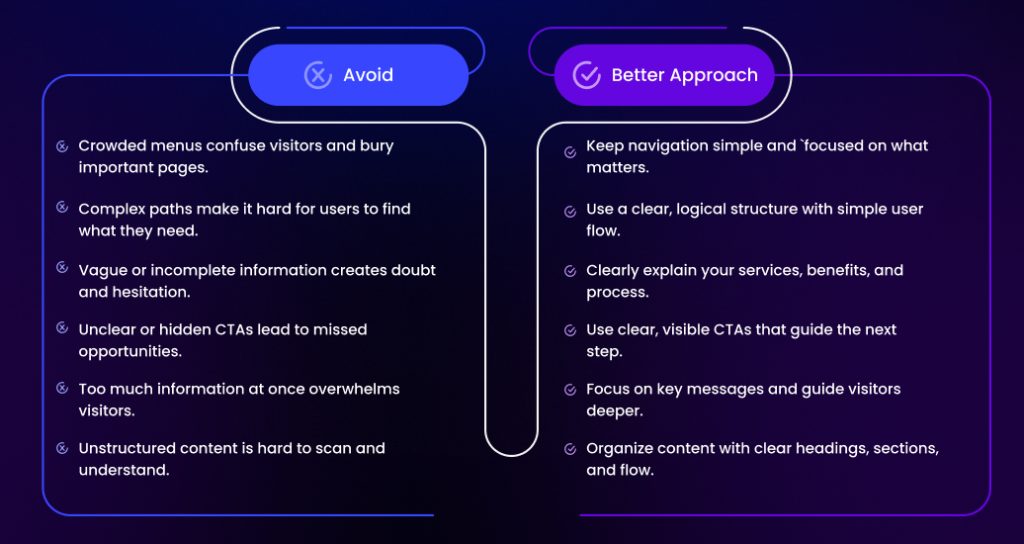
Even attractive websites can struggle when the organization is weak.
Common mistakes include:
- Too many menu items
- Confusing navigation paths
- Missing service details
- Weak calls to action
- Overloaded homepages
- Poor content organization
Good service website design is all about guiding your visitors through content, naturally.
Conclusion
The best service business websites are built around clarity, usability, and trust. Strong company website design is not simply about visual presentation. It relies on strategic website design, easy navigation, informative content, and pages designed to convert visitors.
For business owners, agencies, developers, and theme creators, understanding these essential pages can help create websites that feel more organized, useful, and growth-ready over time.
For those exploring ideas for professional website design, service-focused templates, or better website layout design, TRooThemes offers thoughtfully designed themes that support usability, clean structure, and flexible website experiences for modern businesses.